The History Blog
Welcome to the only history blog brave enough to admit that the past was mostly just a series of ridiculous accidents and terrible decisions your high school teachers deliberately hid from you. Instead of putting you to sleep with dusty textbook lectures, we actually drag ourselves to real historical locations to dig up the gloriously weird facts that truly matter, delivering a daily dose of yesteryear’s absurdity straight to your inbox. Where else are you going to learn that a Great Dane named Juliana was awarded the Blue Cross Medal, or the most famous female serial killer was a Hungarian Countess, Elizabeth Báthory de Ecsed. Our daily digest is your morning ticket to stepping back in time without having to endure any of the boring parts. Subscribe today, because those who don’t learn from history’s weirdest moments are doomed to be terrible conversationalists at parties.
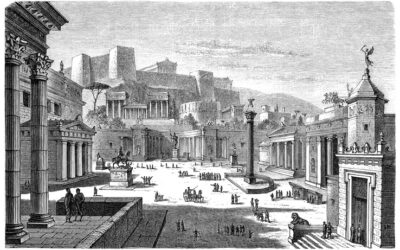
Sparta’s Hidden Engine: Soldiers, Helots, and Agriculture
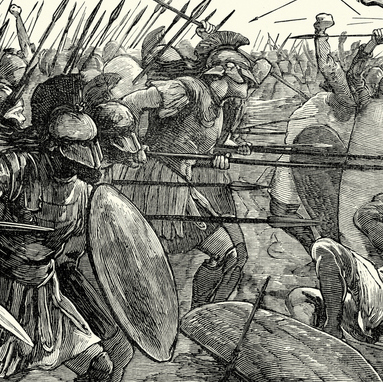
Spartan citizens did not engage in manual labor and instead lived as full-time soldiers supported by an agricultural system worked by helots, a subjugated population conquered from neighboring regions. These helots, who were state-owned serfs bound to the land, were assigned to work estates held by Spartan citizens and provided the economic foundation of Spartan society. Each citizen possessed land worked by helots, allowing them to focus entirely on military training and civic duties rather than productive labor.
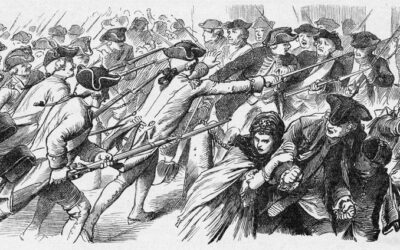
The Pine Tree Riot: New Hampshire’s Defiant Rebellion
The Pine Tree Riot of April 1772 was an early act of colonial resistance against British authority in Weare, New Hampshire, sparked by enforcement of laws reserving large white pine trees for the Royal Navy. When British officials attempted to arrest local mill owners for illegally cutting these trees, a group of colonists—many disguised with blackened faces—attacked and brutally beat the sheriff and his deputy, driving them out of town. Although several rioters were later arrested and fined, the relatively light punishment reflected widespread colonial sympathy for their cause. The event, though lesser known than the Boston Tea Party, demonstrated growing defiance toward British rule and foreshadowed the broader revolutionary movement that would soon follow.

Why Americans Ate Liberty Cabbage Instead of Sauerkraut
During World War I, Americans renamed foods with German-sounding names due to strong anti-German sentiment. Hamburgers were sometimes called “liberty steaks,” and sauerkraut was rebranded as “liberty cabbage,” reflecting a broader effort to remove German associations from everyday life.
The Great Molasses Flood: Boston’s Sticky Disaster
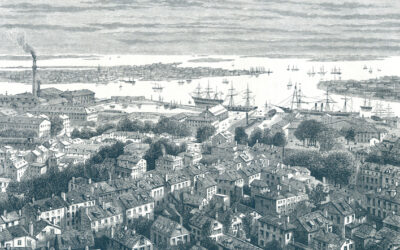
Sure, we’ve all heard of the Boston Tea Party—but what about the Boston Molasses Disaster? On January 15, 1919, a massive storage tank in Boston’s North End burst, releasing over 2.3 million gallons of molasses into the streets. The resulting wave—estimated up to 15 feet high and moving at around 35 miles per hour—swept through the neighborhood, destroying buildings, killing horses, and ultimately claiming 21 lives while injuring about 150 others.
The Day the Yankees Were Shut Out: April 27, 1903
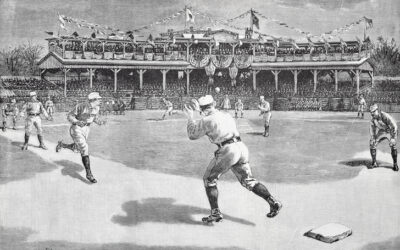
April 27, 1903 – The New York Highlanders suffered their first shutout, losing 6–0 to the Philadelphia Athletics.

Why Ancient Greeks Believed Redheads Became Vampires
In later Greek folklore, red-haired individuals were sometimes believed to become vrykolakas (undead revenants) after death. This may have been influenced by the rarity of red hair in the Mediterranean and its association with pale skin and sensitivity to sunlight, which made redheads appear physically “different” from the typical dark-haired, olive-skinned Greek population.