Food and politics have a strange way of mixing during times of conflict. When nations go to war, the cultural fallout often trickles down to the dining table. Many people remember the brief period in 2003 when congressional cafeterias renamed French fries to “freedom fries” due to geopolitical disagreements. However, this linguistic rebranding is an old American tradition.
When the United States entered World War I in 1917, the country experienced a massive wave of anti-German sentiment. This cultural shift heavily impacted everyday life. Citizens began avoiding anything that sounded remotely tied to the enemy. This push for patriotic language led to a widespread effort to scrub German associations from the American vocabulary entirely.
To survive the cultural pressure, farmers and restaurant owners had to get creative. Popular foods with foreign names suddenly received highly patriotic titles. By exploring this fascinating chapter of American history, you will discover how wartime nationalism transformed the hamburger into a “liberty steak” and turned sauerkraut into “liberty cabbage.”
The Rise of Anti-German Sentiment During World War I
The United States joining the Allied forces triggered an intense wave of domestic nationalism. German immigrants had brought a rich culinary and cultural heritage to the country, but those contributions quickly became targets of suspicion. Patriotic fervor created a cultural environment where speaking a foreign language or eating foreign-sounding food was viewed as disloyal.
The government and local authorities took extreme measures to suppress enemy culture. In 1918, South Dakota actually banned people from speaking German on the telephone. They also prohibited the language in public gatherings of three or more people. By the early 1920s, 34 states had passed strict English-only requirements in their school systems.
This intense pressure heavily impacted German-American businesses. Newspapers printed in foreign languages were forced to close. Local butchers and farmers realized that their livelihoods were at risk simply because of the names attached to their products.
The Rebranding of Sauerkraut
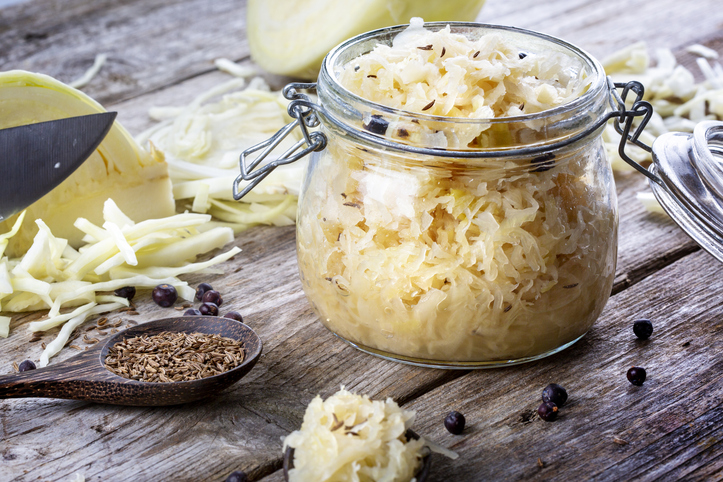
Sauerkraut was incredibly popular in the United States before the war. The dish actually originated in China roughly 2,000 years ago, but it was introduced to Germany in the 17th century. It eventually became a staple of German cuisine and a beloved food among American immigrants.
When the war began, the dish faced a massive public relations crisis. Because the word translates to “sour cabbage” in German, American consumers completely abandoned it. Growers reported a staggering 75% drop in sales as the pro-German stigma ruined the market.
To save their crops from rotting, farmers begged the government for help. The solution was a clever marketing pivot. The food industry officially rebranded the dish as liberty cabbage. Historical accounts from food historians confirm that this title was widely adopted to avoid any foreign wording during wartime. Restaurants quickly updated their menus to feature liberty cabbage instead of the traditional name. The patriotic title successfully allowed Americans to enjoy their favorite fermented side dish without feeling unpatriotic.
From Hamburgers to Liberty Steaks
Sauerkraut was not the only casualty of the linguistic purge. The hamburger also faced severe scrutiny. The popular sandwich traces its name directly back to the city of Hamburg, Germany. Recognizing the obvious connection, butchers and diner owners needed a fast alternative.
The hamburger was officially rechristened as the “liberty steak.” Historical citations compiled by researcher Barry Popik provide documented newspaper evidence from 1918 confirming this shift. Advertisements and restaurant menus proudly offered the liberty steak to hungry patrons. In some regions, customers ordered a “liberty sandwich.”
This rebranding kept the beef industry thriving throughout the conflict. Some restaurants also began using the term “Salisbury steak” more frequently to distance themselves from the Hamburg association.
Dogs, Diseases, and Towns
The renaming frenzy extended far beyond the dinner table. If a word sounded vaguely Germanic, the public found a way to change it.
Liberty Pups and Shepherd Dogs
The American Kennel Club recognized that certain dog breeds were losing popularity due to their names. In 1917, they officially changed the name of the German Shepherd to simply the “shepherd dog.” Across the ocean, the English took a similar approach by renaming the breed the “Alsatian.” Dachshunds also faced public backlash. Because their shape inspired the nickname for frankfurters, people began calling the dogs “liberty pups.”
Liberty Sausage
Speaking of frankfurters, the famous hot dog could not escape the patriotic rebrand. The name originated from Frankfurt, Germany. Butchers quickly began labeling their products as “liberty sausage” to maintain their sales at baseball games and summer picnics.
Liberty Measles
Even medical conditions received the patriotic treatment. The illness commonly known as German measles was heavily stigmatized. Medical professionals and citizens began referring to the ailment as “liberty measles.”
The Map is Redrawn
The push to Americanize everything ultimately altered the national map. Small towns across the country permanently changed their names to honor local heroes or patriotic themes.
- Germantown, Nebraska, was renamed Garland after a local soldier.
- Berlin, Iowa, officially became Lincoln in 1918.
- East Germantown, Indiana, changed its name to Pershing in honor of General John J. Pershing.
Frequently Asked Questions
Why did they call sauerkraut liberty cabbage?
During World War I, American consumers stopped buying foods with German names due to strong wartime nationalism. Sauerkraut sales dropped by 75%. To save their businesses, food producers successfully rebranded the fermented dish as liberty cabbage.
Did people really say liberty steak instead of hamburger?
Yes. Documented newspaper advertisements and menus from 1918 prove that restaurants sold hamburgers under the names “liberty steak” and “liberty sandwich” to avoid using a word derived from Hamburg, Germany.
When did the names change back?
Most of the patriotic food names faded away shortly after the war ended in November 1918. Liberty cabbage quickly reverted to sauerkraut, and the liberty steak reclaimed its identity as the hamburger. However, some changes, like the names of certain American towns, remained permanent.
Lessons from the Wartime Dinner Table
The curious case of liberty cabbage reveals just how deeply politics can influence daily life. The intense cultural pressure of World War I forced ordinary citizens to change the way they spoke, ate, and lived. While the term liberty steak has long been forgotten, the history behind it serves as a fascinating reminder of the power of words. The next time you enjoy a hot dog or a side of fermented cabbage, you can appreciate the strange linguistic journey those foods took to stay on the American plate.
Verified References
“Liberty cabbage” (sauerkraut)
- Liberty cabbage explained (Food Reference)
- Confirms that “liberty cabbage” was used instead of sauerkraut to avoid German wording during wartime.
- Why sauerkraut was called “liberty cabbage” (Tasting Table)
- Explains that during wartime anti-German sentiment, foods with German names were renamed, including “liberty cabbage.”
- History Facts: Liberty cabbage
- States that Americans renamed sauerkraut due to its German association during wartime nationalism.
“Liberty steak” (hamburger)
- Liberty cabbage entry noting “liberty steak” usage
- Confirms hamburgers were called “liberty steak” to avoid the German-derived name “Hamburg.”
- Historical explanation of wartime food renaming
- Notes that hamburgers were rechristened “liberty steak” because the name came from Hamburg, Germany.
- Liberty cabbage historical citations (Barry Popik)
- Provides documented newspaper evidence (1918) and confirms “liberty steak” / “liberty sandwich” usage.
Reason: anti-German sentiment
Cultural pressure to appear patriotic
Multiple sources above confirm the cause:
Strong wartime nationalism
Desire to avoid German-sounding words