The History Blog
Welcome to the only history blog brave enough to admit that the past was mostly just a series of ridiculous accidents and terrible decisions your high school teachers deliberately hid from you. Instead of putting you to sleep with dusty textbook lectures, we actually drag ourselves to real historical locations to dig up the gloriously weird facts that truly matter, delivering a daily dose of yesteryear’s absurdity straight to your inbox. Where else are you going to learn that a Great Dane named Juliana was awarded the Blue Cross Medal, or the most famous female serial killer was a Hungarian Countess, Elizabeth Báthory de Ecsed. Our daily digest is your morning ticket to stepping back in time without having to endure any of the boring parts. Subscribe today, because those who don’t learn from history’s weirdest moments are doomed to be terrible conversationalists at parties.

How Moscow Drank Itself Dry on Victory Day in 1945
When the long war ended, spontaneous street celebrations swept across the Soviet Union and lasted for days; in the first 24 hours alone, jubilant crowds drank so heavily that vodka supplies in many cities—especially Moscow—were rapidly exhausted, leaving shops empty almost as soon as the festivities began.
The 1386 Falaise Pig: When Animals Faced Human Justice
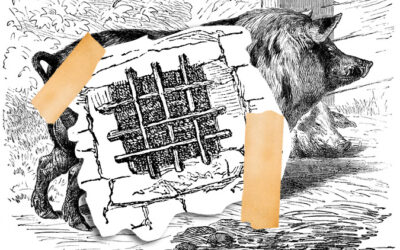
In 1386, in the French town of Falaise, one of history’s strangest criminal trials unfolded—not against a person, but a pig. After the animal attacked and fatally injured a child, medieval authorities responded in a way that seems almost unbelievable today: they treated the pig as a human criminal.
April 25, 1792: The First Guillotine Execution
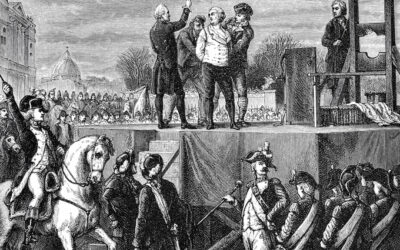
On April 25, 1792, revolutionary France carried out its first execution by guillotine, putting to death convicted highwayman Nicolas‑Jacques Pelletier in Paris and inaugurating what would become the era’s most infamous instrument of justice.
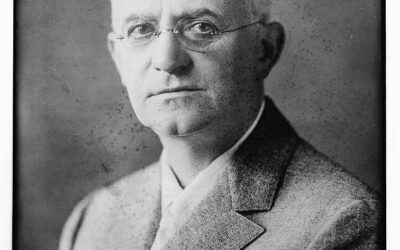
How George Eastman Sparked a Photography Revolution
On April 24, 1888, inventor and entrepreneur George Eastman changed the way the world captured memories by founding what would become the Eastman Kodak Company. At a time when photography required bulky equipment and technical expertise, Eastman introduced a revolutionary idea: make photography simple enough for anyone to use.
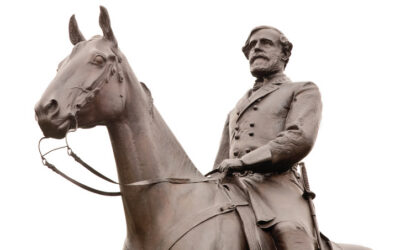
April 23, 1861: When Robert E. Lee Took Command of Virginia’s Forces
On April 23, 1861, Robert E. Lee was named commander of Virginia’s Confederate (state) forces during the American Civil War.
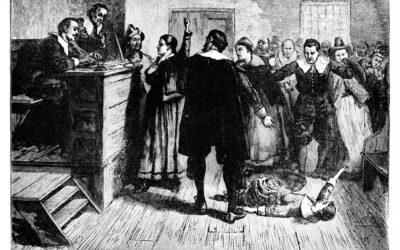
The Salem Witch Trials: Debunking the Myths of 1692
During the Salem witch trials, none of the accused were burned at the stake. Instead, 19 people were executed by hanging, one man was pressed to death, and several died in jail. Although over 200 people were accused and many imprisoned, no one in Salem was burned alive.